Sweeteners
Is aspartame (E951) safe? Reading IARC and EFSA together
In 2023 IARC placed aspartame in the "possibly carcinogenic" group while JECFA left the daily intake limit unchanged. How can both decisions be right at once?
BLOG
Clear explanations of ingredients, additives and shopping with more information.
Follow with RSSSweeteners
In 2023 IARC placed aspartame in the "possibly carcinogenic" group while JECFA left the daily intake limit unchanged. How can both decisions be right at once?
Flavour enhancers
MSG is a flavour enhancer that gives umami taste. In 2017 EFSA set a numerical intake limit for the first time and noted that some groups could exceed it.
ADI
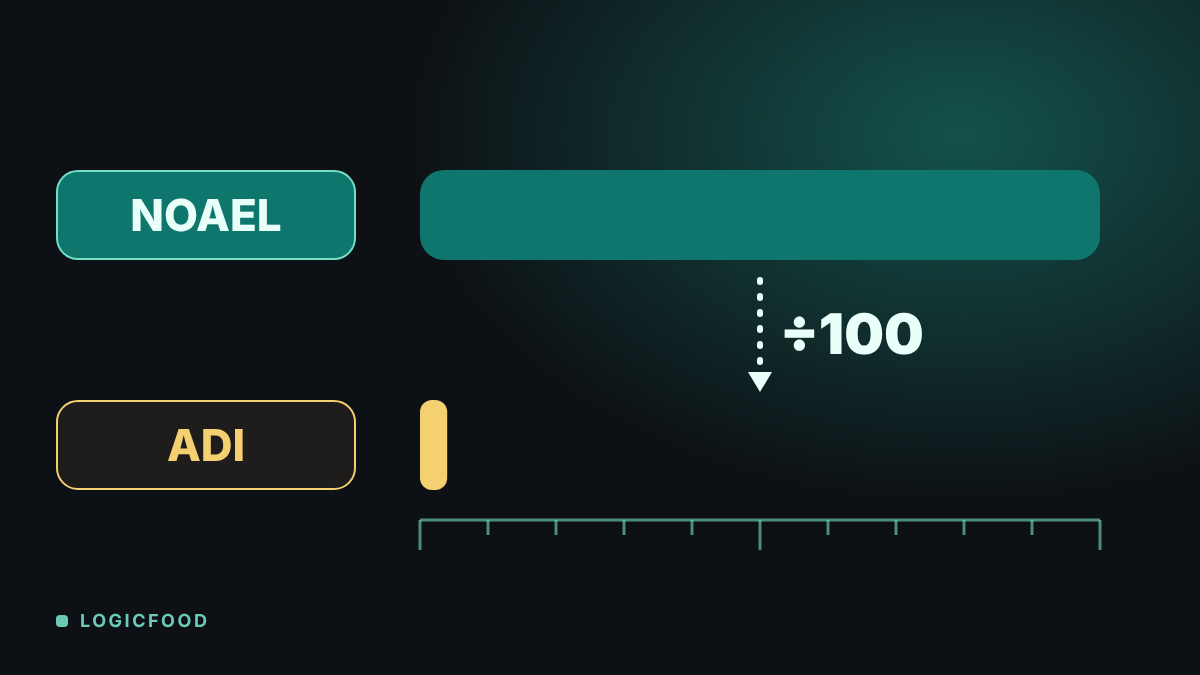
The acceptable daily intake (ADI) is a number that appears often in additive news but is often misread. How is it set, what happens if it is exceeded, and why is comparing substances by it misleading?
Preservatives
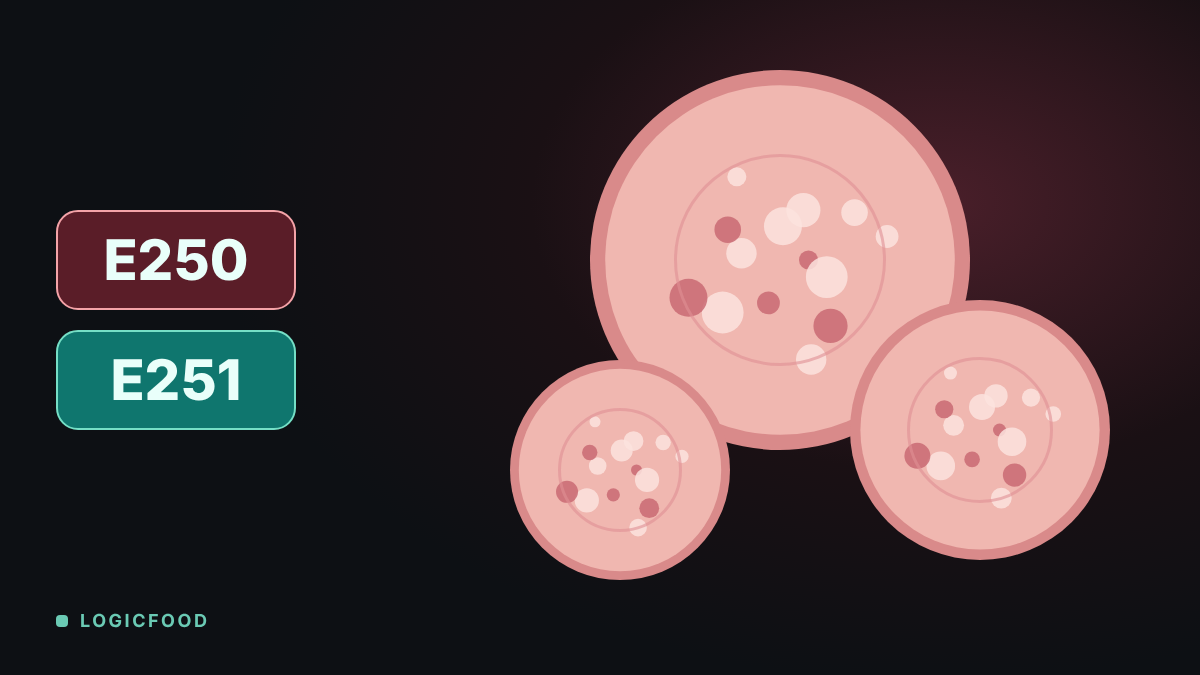
E250 and E251 on the label of sausages and ham are both preservatives and a topic of debate. Reading EFSA's and IARC's assessments together makes the picture clearer.
Colours
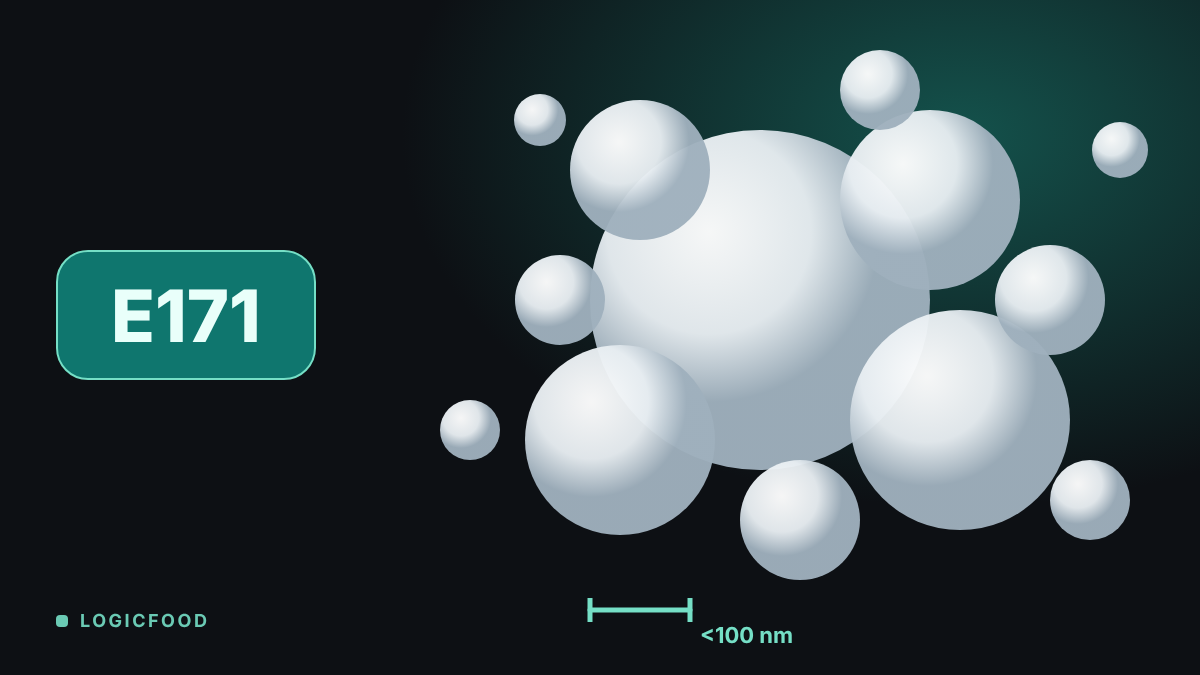
E171, the additive that makes sweets bright white, can no longer be used in food in the EU after EFSA's 2021 assessment. Here is what the decision rested on and what to look for on labels.
Preservatives
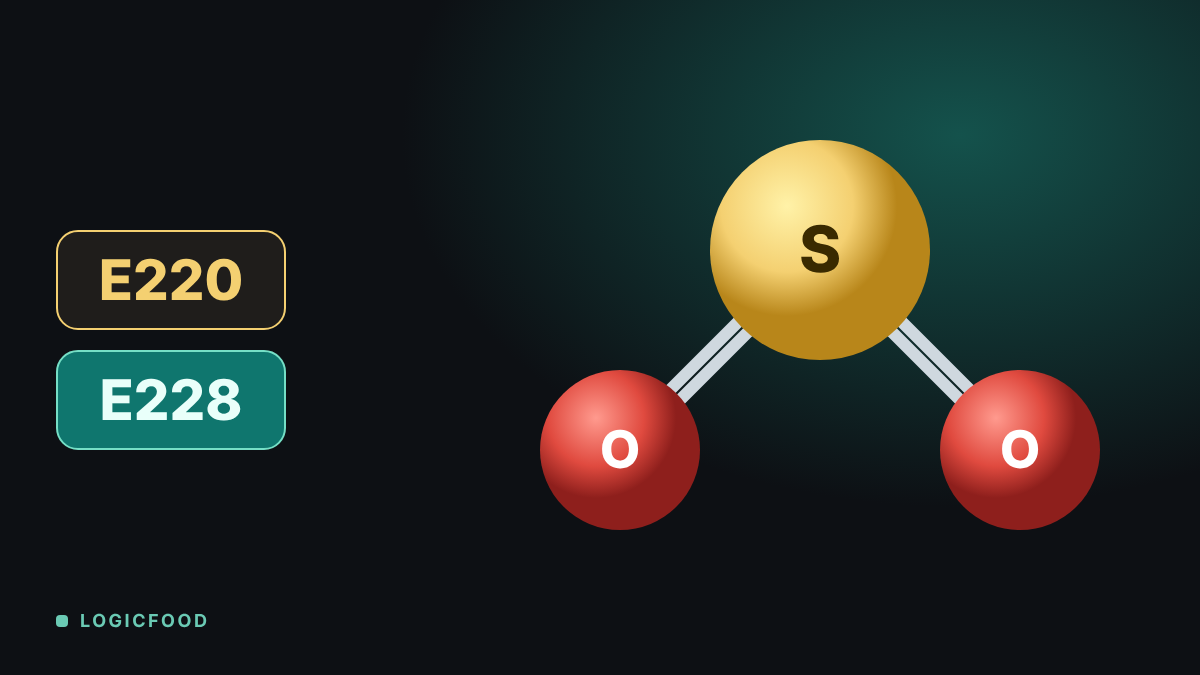
"Contains sulphites" on dried fruit, wine and pickles is an allergen warning. Which codes are sulphites, what does EFSA say, and how do you read the label?
Antioxidants
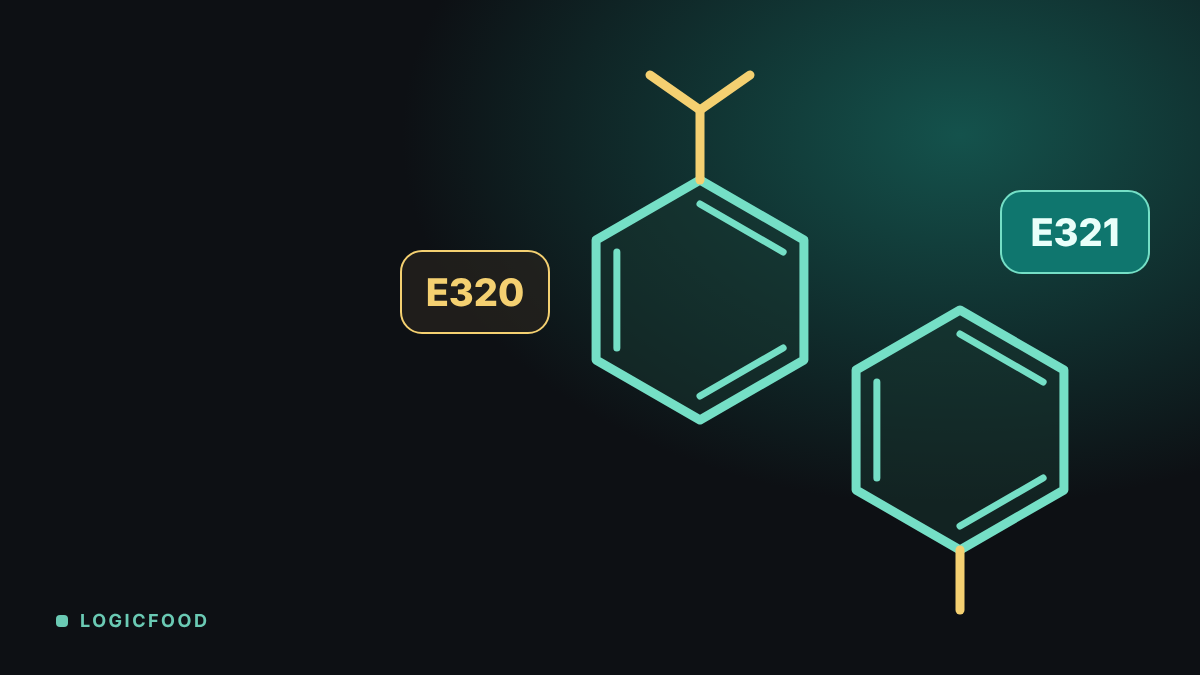
BHA (E320) and BHT (E321) are synthetic antioxidants that delay fats going rancid. The IARC classification and EFSA's intake limits only make sense when read together.
Colours
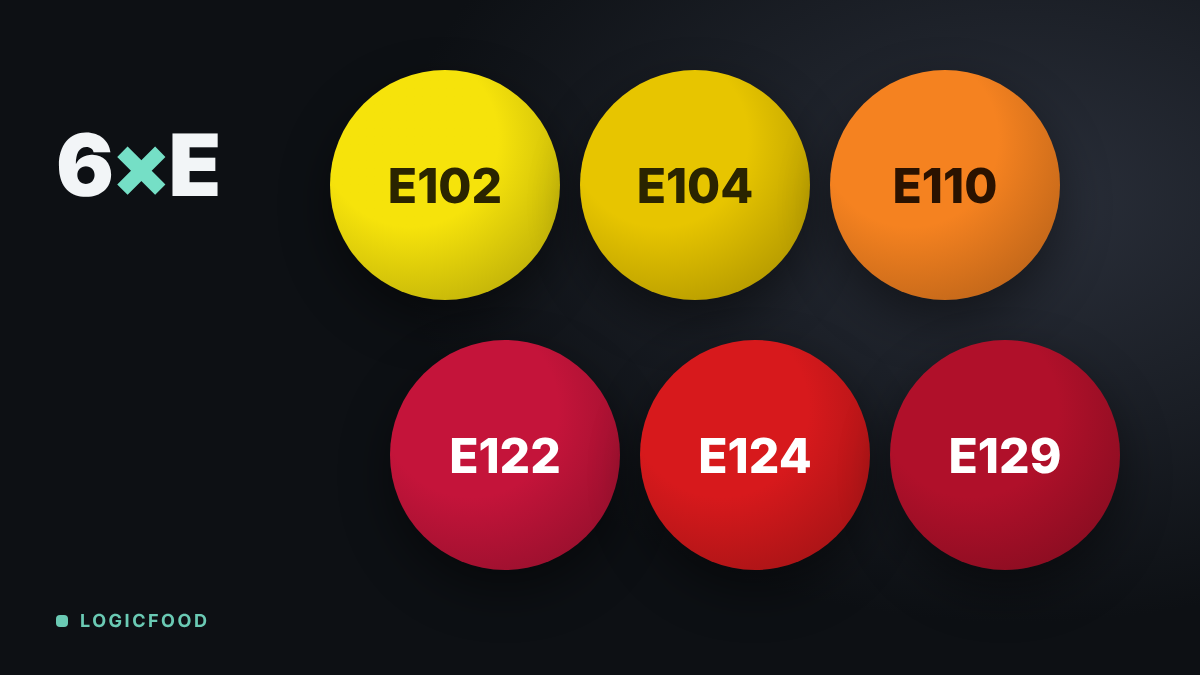
Some labels say a colour "may have an adverse effect on activity and attention in children." Here is where that warning came from, what EFSA made of it, and how to read it.
Preservatives
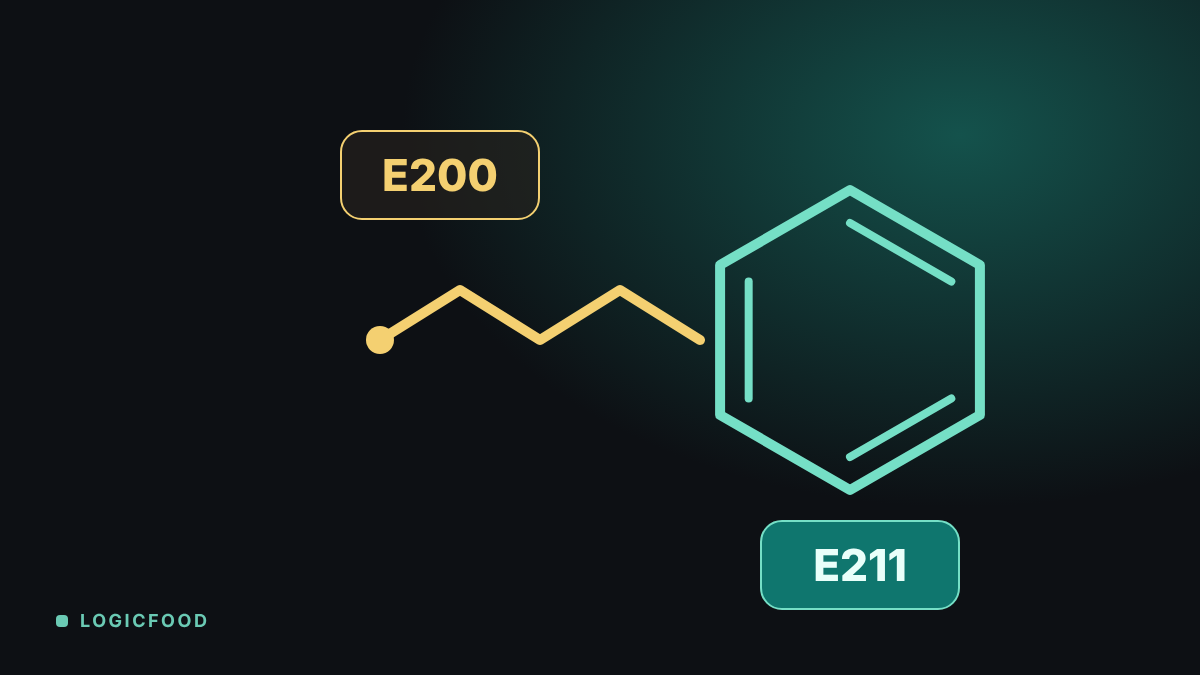
Sorbic acid (E200) and sodium benzoate (E211) both hold back mould and yeast. EFSA's intake limits and the benzene question show what to know when reading a label.

Sugar
A label may not say "sugar" and still list sugar sources. Learn to recognise glucose syrup, dextrose, molasses, fruit juice concentrate and more.
Allergens
A "may contain" warning is not the same as an allergen in the ingredient list. Here is the difference and what people with allergies should check.
What Do E-Codes Mean?