Hidden Chemistry on the Plate: Food Additives and Our Health
What Do E-Codes Mean?
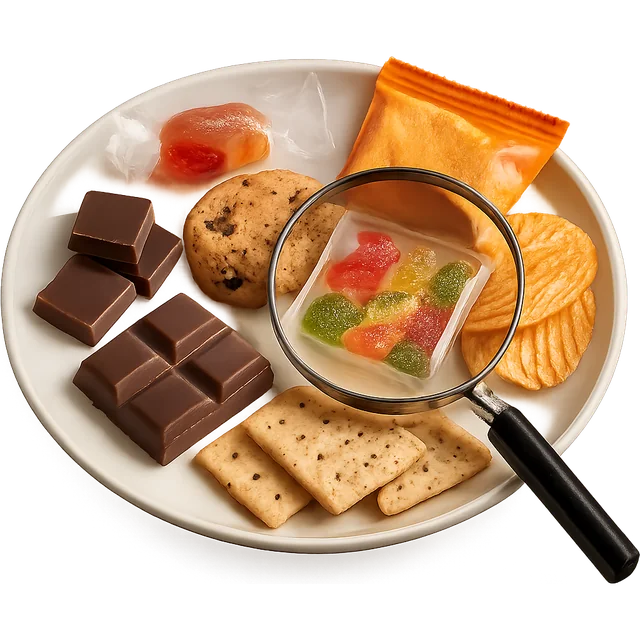
In the last century, the food industry has introduced thousands of different chemical compounds to extend the shelf life, enhance the visual appearance and intensify the flavor of products. The vast majority of packaged foods we see on grocery shelves today contain these substances, which are standardized by the European Union and identified by "E-Codes". However, the long-term effects of these substances used within legal limits and the risks they pose to some individuals make platforms like LogicFood increasingly important.
What Do E-Codes Mean?
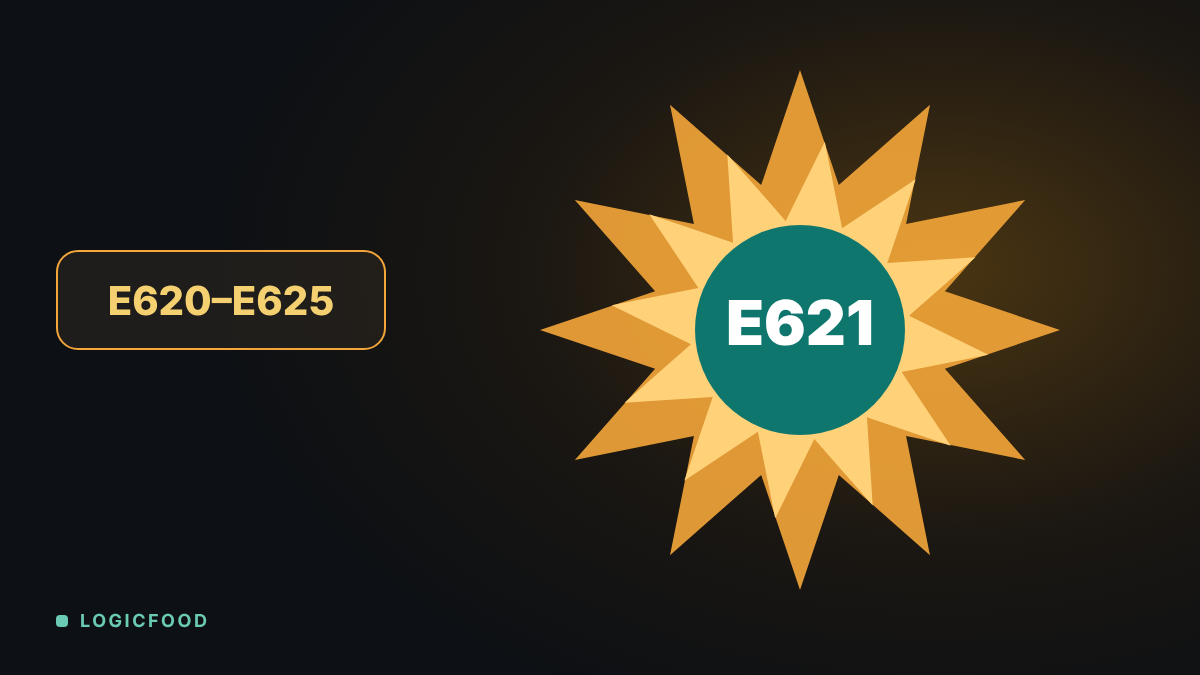
The system of e-codes symbolizes a substance's compliance with international standards and its technological function. The main categories are as follows:
Most Controversial and Risky Substances
Research shows that some additives can cause serious health problems above certain doses or in sensitive groups:
Sodium Nitrite (E250)
It is used as a color stabilizer and preservative, especially in processed meat products such as salami, sausages and ham. However, nitrites can combine with proteins in stomach acid to form "nitrosamines", which are potent carcinogens.
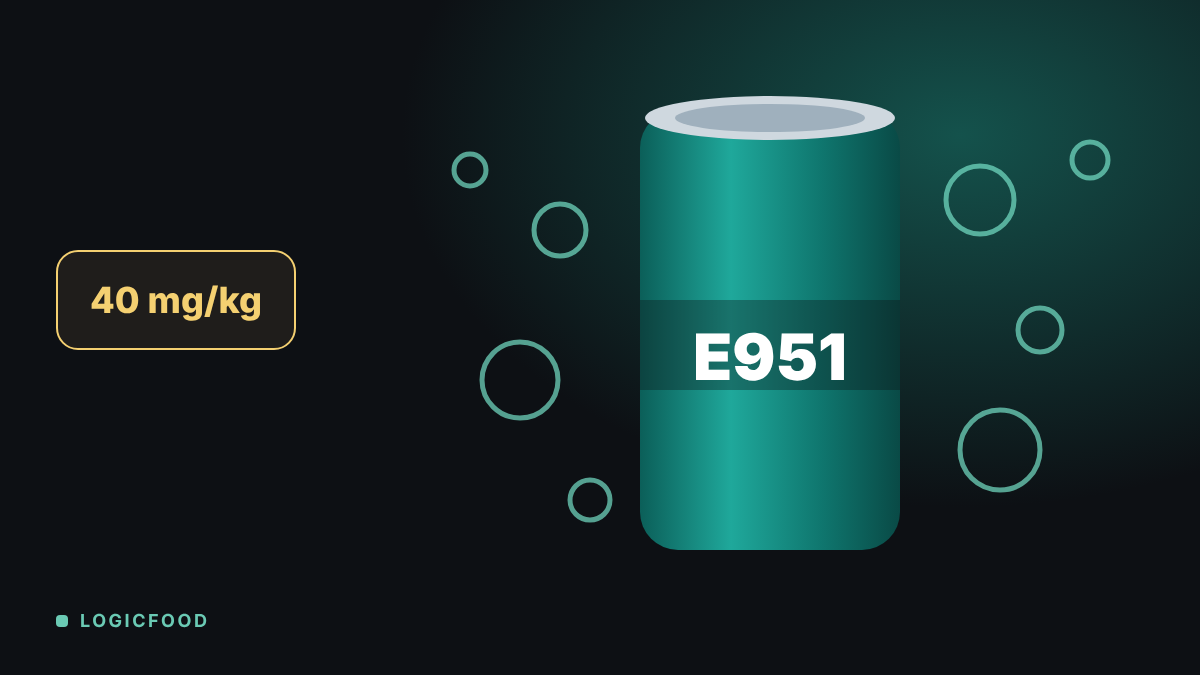
2. Aspartame (E951)
Used in diet drinks and sugar-free foods, this artificial sweetener can trigger migraines and headaches in some individuals. In some animal studies, neurological effects and cancer risk continue to be debated.
Synthetic Colorants (Tartrazine - E102 etc.)
Synthetic dyes, also known as the "Southampton Six", have been linked to hyperactivity and attention deficit in children. In the European Union, products containing these substances must have a warning label.
4. Titanium Dioxide (E171)
This mineral, which gives whiteness to confectionery and chewing gum, is banned in Europe due to the risk of DNA damage (genotoxicity), but is still used in the rest of the world.
Ultra-processed foods (NOVA) and hidden dangers
Another important focus of LogicFood is the NOVA classification. A product is considered "ultra-processed" (UPF) if it contains more than five ingredients not found in the home kitchen (high fructose corn syrup, hydrogenated oils, emulsifiers). UPF consumption has been directly linked to obesity, cardiovascular disease and disruption of gut microbiota.
Conscious Consumption with LogicFood
Reading ingredient labels can be a complex process. LogicFood analyzes complex E-codes and chemical names for you and scores the risk based on your personal health profile (allergies, sensitivities). It is everyone's right to know not only the taste but also the content of the food on the plate.
Remember: Substances that are considered safe in small amounts can accumulate in the body with heavy consumption of packaged foods and affect your health. The safest way is to focus on unprocessed whole foods.